
Best Plants for Miami-Dade County Landscapes

Miami-Dade landscapes have to do more than look good on install day. They need to handle intense sun, heavy summer rain, humidity, salt exposure near the coast, and soils that can vary from sandy to rocky within the same neighborhood. That is why choosing the best plants for Miami-Dade County landscapes starts with performance, not just appearance. The right mix gives you curb appeal, privacy, and lower replacement costs over time.
Some plants thrive here with very little drama. Others look great at the nursery, then struggle once they meet reflected heat from a driveway, ocean breeze, or a wet summer. For homeowners, property managers, and contractors, the smartest landscape plan is usually built around reliable tropical staples, then finished with a few accent plants that bring texture and color.
What makes a plant a good fit for Miami-Dade County landscapes
In this market, plant selection is mostly about matching the plant to the site. Full sun in Miami is different from full sun in cooler parts of the country. Add salt spray, periodic wind, and long rainy stretches, and weak performers show up fast.
The best landscape plants here usually share a few traits. They tolerate heat well, respond well to regular irrigation while establishing, and recover from seasonal stress without looking thin or burned for months. They also fit the purpose of the project. A front entry plant has a different job than a privacy hedge around a pool or a row of palms along a commercial drive.
This is also where trade-offs matter. Fast-growing plants can fill space quickly, but they may need more pruning. Slow growers often stay cleaner and easier to manage, but they ask for more patience up front. There is no single best plant for every property. There is only the best plant for your location, goals, and maintenance expectations.
Best plants for Miami-Dade County landscapes by use
Palms that deliver instant tropical structure
Palms are a natural starting point because they create height, rhythm, and the South Florida look most buyers want. Royal Palms are one of the strongest statement choices for larger properties and wide frontages. They bring scale and a classic Miami feel, but they need room to look right. On a tight lot, they can feel oversized.

Foxtail Palms are popular because they give a full, clean canopy and a polished appearance without the bulk of a much larger palm. They work well in residential settings where you want a strong accent but still need manageable spacing. Christmas Palm Triple is another smart option when the goal is layered interest near entrances, patios, or pool areas. It gives you a fuller look than a single trunk and fits smaller spaces better than many large specimen palms.
Areca Palms remain a go-to for screening. They are not just decorative. They can create softness, enclosure, and privacy relatively quickly. The trade-off is maintenance. If you want them to stay dense and attractive, they need proper spacing, water while establishing, and occasional cleanup. Crowding them too tightly is one of the most common mistakes.
For projects that call for a more refined or upscale vertical look, King Alexander Palms can be a strong fit. They bring a smooth, elegant profile, though they tend to work best in sites with good care and a well-planned layout.
Privacy hedges that hold their shape
If the goal is to block a neighbor, soften a fence line, or define a property edge, hedge selection matters as much as palm selection. Clusia is one of the most dependable choices for Miami-Dade landscapes. It is widely used because it creates a dense screen, handles local conditions well, and can be maintained in a clean, modern form.
Podocarpus is another excellent hedge option, especially when clients want a more tailored, upright look. It tends to read a little more formal than Clusia, which makes it useful for front property lines, side yards, or commercial entries. It is not always the fastest way to create privacy, but it gives a neat, finished appearance that many buyers prefer.
The choice between Clusia and Podocarpus often comes down to style and patience. Clusia usually gives a broader, bolder tropical screen. Podocarpus offers a more structured look. If you want quick mass and broad leaves, Clusia often wins. If you want a narrow hedge with a more manicured profile, Podocarpus may be the better fit.
Ornamental trees and accents that add character
Not every landscape needs another hedge or palm. Sometimes the missing piece is a focal point that changes the entire feel of the yard. Japanese Fern Trees are useful in that role because they add a softer canopy texture than many palms and shrubs. They can help balance a landscape that feels too stiff or repetitive.

Canary Palms also make a strong visual statement, especially in larger installations where a bold specimen is needed. They are not for every project. Their scale and presence can overpower smaller homes, and they need thoughtful placement. But in the right setting, they create a high-impact centerpiece.
Accent plants work best when they are used with restraint. A landscape with too many “feature” plants can start to feel busy. One or two well-placed specimen pieces usually do more than a long list of mismatched choices.
How to choose the right plant mix for your property
The best-looking landscapes in Miami-Dade are usually built in layers. Start with structure, then add privacy, then finish with accents. Structure often comes from canopy trees or palms. Privacy comes from hedges and screening plants. Accents bring shape, contrast, and a more custom feel.
That layering approach helps the property look complete from day one while continuing to improve as plants mature. It also helps avoid a common problem in South Florida landscapes: installing individual plants that look good on their own but do not work together once they grow in.
Sun exposure should guide every choice. A plant that performs well on one side of the home may struggle on the other. Coastal properties also need a different mindset than inland ones. Salt tolerance becomes even more important when wind regularly carries spray across the site.
Maintenance expectations should be part of the conversation from the start. If you want a low-hassle landscape, choose plants that naturally fit the space rather than those that need constant trimming to stay under control. A neat result comes from good planning more than aggressive pruning.
Common mistakes when picking plants in Miami-Dade
One mistake is choosing strictly by looks at the nursery. A healthy plant in a container can still be the wrong plant for your site. Size at maturity, root space, drainage, and light exposure matter more than first impression.
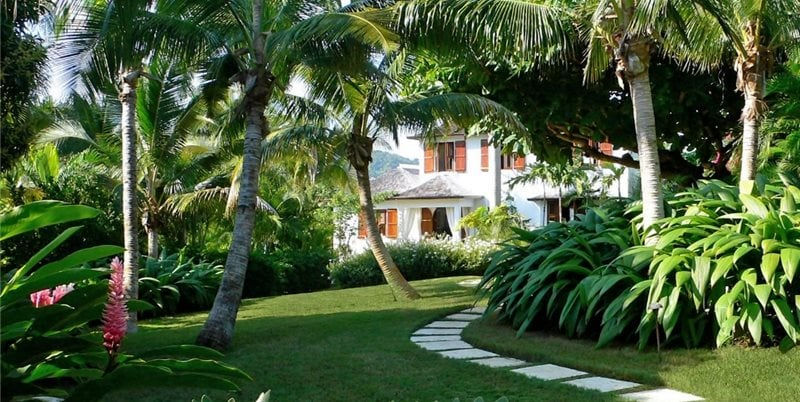
Another issue is overplanting. It is tempting to install everything tightly for an instant full look, but that usually creates problems later. Crowded palms compete for light. Overplanted hedges lose airflow. Shrubs too close to walls or fences are expensive to maintain.
There is also the problem of mixing landscape styles without a plan. Clean modern homes often look best with a tighter plant palette and stronger repetition. More tropical or traditional properties can handle fuller, more layered planting. Matching the plant selection to the architecture makes the entire job look more intentional.
Why plant sourcing and installation matter as much as plant selection
Even the best plants for Miami-Dade County landscapes can underperform if the material is inconsistent or the installation is rushed. Root quality, plant spacing, transport, and the first watering schedule all affect how well the landscape settles in.
That is why many property owners and trade buyers prefer working with a single supplier that can source the right materials, coordinate delivery, and handle installation correctly. It simplifies the project and reduces the chance of ending up with a landscape that looks uneven or struggles after the first few weeks. Santana & Plants supports that process by helping customers choose plants that fit the site and the desired result, then following through with delivery and installation support.
A good plant plan should feel practical, not complicated. If you focus on proven performers like Royal Palms, Areca Palms, Foxtail Palms, Christmas Palm Triple, Clusia, Podocarpus, and well-placed accent trees, you are already starting from a stronger position. The final step is making sure those plants are matched to the property, spaced correctly, and installed with care. That is what turns a nice idea into a landscape that still looks right a year from now.


Comments