
Canary Palm Tree Care That Actually Works

A Canary Island date palm can make a front yard look established almost overnight, but it is not a palm you want to install and ignore. Good care for a canary palm tree keeps this statement plant full, balanced, and healthy, rather than turning it into an expensive maintenance problem.
These palms are prized for their thick trunks, broad crowns, and strong architectural look. They work well as focal points in large residential landscapes, entry features, and commercial properties where a mature palm needs to carry visual weight. But they also have specific needs, especially in Florida conditions where heat, rainfall, soil variability, and storm cleanup can all affect long-term performance.
What makes Canary palms different
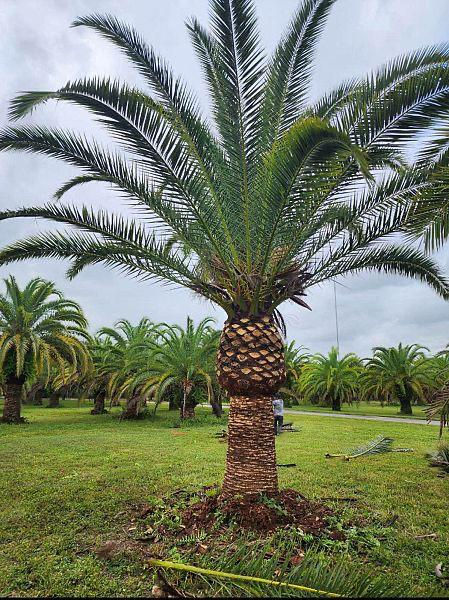
Canary palms are slower and heavier-growing than many of the feather palms homeowners are used to seeing. They develop a massive trunk, long arching fronds, and a very formal presence that feels substantial even in a large landscape. That is part of their appeal, but it also means spacing, pruning, and site selection matter more than they do with smaller palms.
This is not the best palm for a tight side yard or a narrow planting strip. A young specimen may look manageable at installation, but over time, the canopy spreads wide, and the trunk thickens and becomes dominant. If the palm is planted too close to a driveway, structure, walkway, or pool deck, it can outgrow the space and create constant maintenance issues.
Canary palm tree care starts with the right location
The easiest way to avoid future problems is to start with the right planting site. Canary palms need full sun for best growth and appearance. They can handle some light shade when young, but they perform best with plenty of direct light throughout the day.
Drainage is just as important as sun. These palms like moisture, but they do not want to sit in water for long periods. In Florida, where some properties have sandy, fast-draining soil and others hold water after rain, that difference matters. If the site remains soggy, root stress can set in, and the palm may slowly decline.
Give the palm room to mature. A Canary palm should not be treated like a filler plant. It needs visual breathing room and physical clearance from roofs, power lines, and regular foot traffic. The fronds are rigid and have spines near the base, so placing one too close to an entry or walkway can become more than a design mistake. It can become a safety issue.

Watering: the balance that matters most
Watering is where many problems begin. Newly installed Canary palms need consistent irrigation while roots establish. That usually means deep watering several times per week right after planting, then gradually reducing frequency as the palm settles in. The goal is to keep the root zone evenly moist without saturating it.

Once established, these palms are more tolerant of dry periods than many people expect, but that does not mean they should be left completely on their own during hot stretches. A deep soak during extended dry weather is better than frequent shallow watering. Shallow irrigation encourages weak surface rooting and does not support the palm well.
If the older fronds are browning unusually fast, the soil may be staying too dry. If the palm looks off-color and the ground never seems to dry out, overwatering or drainage issues may be part of the problem. It depends on the season, the soil, and the irrigation setup. A one-size-fits-all schedule rarely works well across properties in Florida.
Soil and fertilizer for steady growth
Canary palms adapt to a range of soils, but they perform best in well-drained ground with enough nutrition to support steady growth. Florida soils often need help here. Sandy soils drain quickly and can lose nutrients fast, while heavier soils may hold moisture longer than ideal.
A quality palm fertilizer with micronutrients is usually the best choice. These palms can show nutrient deficiencies, especially if they are fed a general lawn fertilizer rather than a palm-specific product. Potassium, magnesium, and manganese are all important for healthy fronds and overall strong growth.
Apply fertilizer on a proper schedule during the active growing season and spread it evenly over the root area, not just right against the trunk. More is not better. Overfertilizing can stress the palm and create imbalances just as easily as underfeeding can lead to deficiencies.
If fronds are yellowing, frizzled, or showing unusual discoloration, the answer is not always to cut them off. Often, the palm is telling you something about soil conditions or nutrition. Correcting the underlying issue usually does more good than cosmetic trimming.
Pruning Canary palms without causing damage
One of the biggest mistakes with canary palm tree care is overpruning. These palms are often cut too aggressively because people want a neat, tight look. That may seem cleaner in the short term, but removing too many green fronds weakens the palm.

As a general rule, remove fronds only if they are fully dead, badly damaged, or pose a clear hazard. Green fronds are still feeding the palm, even if they are drooping lower than you would prefer. Cutting them off too early reduces energy reserves and can slow recovery from stress.
Avoid the so-called hurricane cut where most of the canopy is removed, and only a small upright tuft is left. That style does not protect the palm. It exposes it. It can make the palm more vulnerable to sun stress, nutrient problems, and poor form over time.
Pruning also needs to be handled carefully because Canary palms have sharp spines at the leaf bases. This is not a casual weekend trim for someone without proper equipment and experience. On mature specimens, the size and weight of the fronds add another layer of risk.
Common problems to watch for
A healthy Canary palm has a dense, symmetrical canopy and a solid, vigorous appearance. When that changes, it is worth paying attention early.
Nutrient deficiencies are common and often show up as discoloration or poor-looking older fronds. Water stress can cause gradual thinning or browning. Poor planting depth can also create problems, especially if the root flare is buried too deeply or the soil settles after installation.
Pests and diseases are another concern. Scale insects may appear on weakened palms, and fungal issues can develop when air circulation is poor or old debris is allowed to collect. Ganoderma and other serious trunk or root problems are harder to manage and may not show obvious early symptoms. In those cases, quick action matters because decline can progress slowly at first and then accelerate.
The key is not to wait until the canopy looks half gone. If the center spear is weak, new growth looks stunted, or fronds are declining faster than they should, it is smart to have the palm assessed before the issue becomes irreversible.
Planting and transplanting considerations
Large specimen palms make a strong impact, but moving and installing them correctly is a major part of long-term success. Canary palms are valuable plants, and poor handling during transport or installation can set them back for months.
Plant them at the correct grade, make sure the root ball is stable, and avoid piling mulch directly against the trunk. Newly planted palms may need support depending on their size and site exposure, but supports should be installed without damaging the trunk.
Transplant shock is possible, especially with larger field-grown material. Some temporary browning or slowing may occur while the palm re-establishes its roots. That does not always mean the palm is failing. The difference is whether new growth continues to emerge normally and whether the decline stabilizes over time.

For larger landscape projects, professional selection and installation can save time and prevent expensive setbacks. Choosing the right specimen from the start matters as much as the aftercare.
A realistic maintenance plan for Florida properties
In South Florida landscapes, Canary palms do best with a maintenance plan that is steady rather than reactive. That means checking irrigation seasonally, fertilizing with the right palm blend, pruning only when needed, and watching for early signs of stress.
This is especially important for commercial properties, HOA entrances, and high-visibility residential installs, where a single declining palm can affect the entire look of the space. If you are managing several palms at once, consistency matters. A missed fertilizer cycle or repeated overpruning may not show consequences immediately, but the palm usually tells the story later.
At Santana & Plants, we see the best results when property owners plan for scale, placement, and care rather than treating a Canary palm as a low-maintenance accent. It is a durable palm in the right setting, but it rewards good decisions.
If you want a palm that brings structure and presence for years, give it the space, nutrition, and restraint it needs. A Canary palm does not ask for constant attention, just the right kind at the right time.


Comments