
How to Properly Plant a Palm Tree in South Florida
A palm planted a few inches too deep can struggle for years. In South Florida, where heavy rain, sandy soil, wind, and heat all show up in the same season, planting technique matters as much as the palm you choose. If you are wondering how to plant a palm tree in South Florida properly, the goal is simple: give the root ball the right placement, good drainage, steady water, and enough support to establish without stress.
Why does palm planting go wrong so often?

Many palm problems start at installation. A healthy Royal Palm, Foxtail Palm, or Christmas Palm Triple can decline quickly if the hole is too deep, the soil stays soggy, or the trunk gets buried. Unlike many shade trees, palms do not respond well to rough handling or major planting mistakes. They can look fine at first, then show stress weeks later through yellowing, browning, or stalled growth.
South Florida adds a few complications. Some sites drain fast and dry out quickly. Others hold water after summer storms. Coastal exposure, salty air, and wind can also affect how quickly a new palm settles in. That is why the best planting method is not just about digging a hole and backfilling. It is about matching the installation to the site.
How to properly plant a palm tree in South Florida
Start by choosing the right palm for the location. A Foxtail Palm may be a great fit for a clean, ornamental front yard, while Areca Palms work better for screening and privacy. Royal Palms need space and visual scale. Christmas Palms fit tighter residential layouts. The mature size, sun exposure, and clearance from roofs, driveways, pools, and overhead lines should all be decided before a shovel hits the ground.
Once the site is selected, inspect drainage. Palms generally prefer well-drained conditions, even in a tropical climate. If water sits in the planting area for more than a day after rain, the site may need correction before installation. In some cases, a slight mound or grade adjustment helps. In others, the better move is to choose a palm that tolerates the existing conditions rather than forcing the wrong plant into the wrong spot.
Dig the hole the right way.
The hole should be wider than the root ball, but not dramatically deeper. A good rule is to dig two to three times the width of the root ball and only as deep as the root ball itself, or slightly shallower. The top of the root ball should end up level with the surrounding grade or just a touch above it. Planting too deeply is one of the most common and most expensive mistakes.
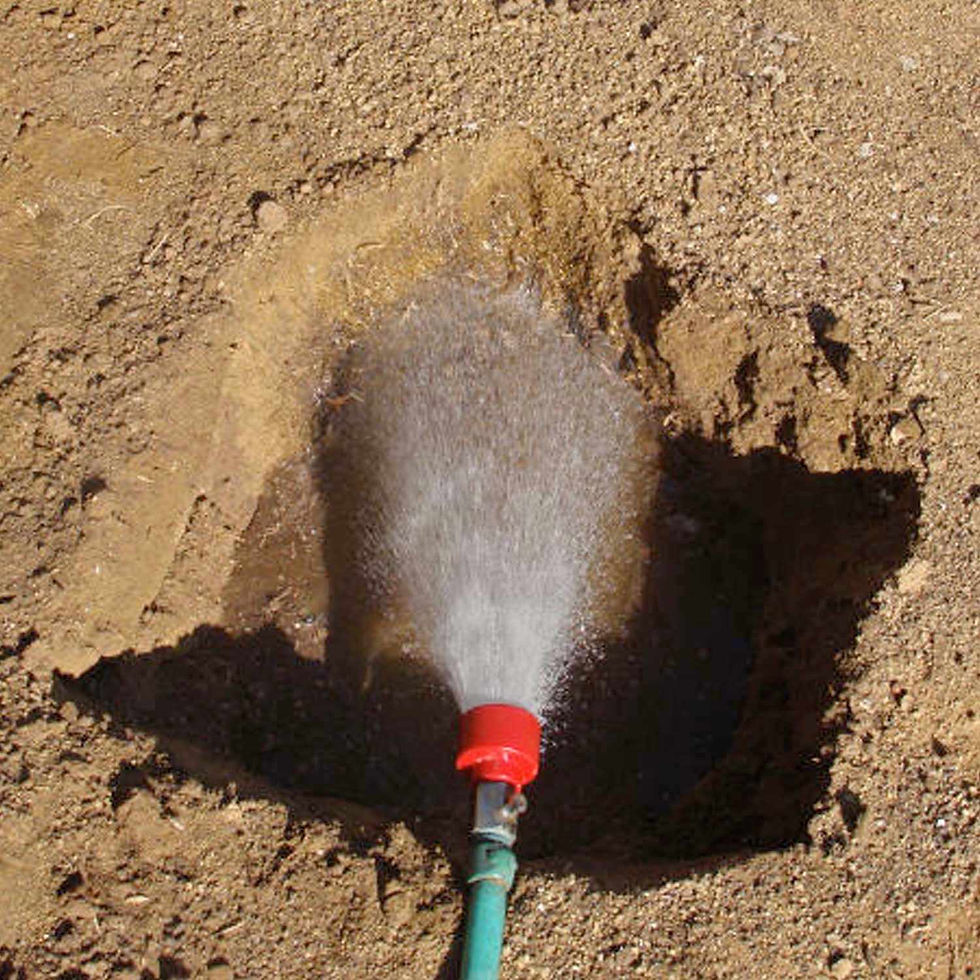
That extra width matters because palm roots need loosened surrounding soil to move into. Depth matters even more because buried trunks and buried root flares can trap moisture where it should not sit. In South Florida’s rainy season, that can lead to rot and long-term decline.
Handle the palm carefully.
Chains, rough equipment contact, or careless dragging can damage Palm trunks. The trunk is not like a woody tree trunk that can shrug off abuse. Cuts and bruises can stay visible and create stress points. Always move the palm by the container or root ball, or use proper lifting methods designed for palms.
If the palm is container-grown, slide it out gently and check for circling roots. If the roots are tightly bound, loosen them lightly at the edge so they can begin growing outward. If it is field-grown and balled, keep the root ball intact and avoid breaking it apart.
Soil, backfill, and whatnot to .add
For most South Florida installations, native soil is usually the best backfill. That surprises some homeowners, but heavily amending the hole with rich organic material can create a bowl effect where water collects differently from the surrounding soil. Roots then remain in the soft pocket rather than moving outward.

If your native soil is extremely poor or the site has a known issue, small adjustments may help, but more is not always better. The aim is consistency, not a custom potting mix in the ground. After placing the palm in the hole, backfill firmly enough to remove major air pockets without compacting the soil too hard.
Fertilizer is another area where restraint pays off. Do not dump strong fertilizer into the hole at planting time. New roots are establishing, and too much fertilizer too soon can add stress. Once the palm is settled and actively growing, a proper palm fertilizer schedule can begin based on the species and season.
Set the root ball at the proper height.
Before backfilling completely, step back and confirm the planting height. The root initiation zone should not be covered with additional soil or mulch. If the palm sinks after watering, correct it early rather than hoping it will adjust on its own.
This is especially important with larger specimens. A big palm installed slightly too low can be difficult to fix later and may struggle even if everything else is done correctly.
Watering after planting
Freshly planted palms need consistent moisture, but they do not want to sit in swampy soil. Right after planting, water deeply to settle the backfill around the root ball. After that, the schedule depends on weather, soil type, and palm size.
In sandy South Florida soils, new palms may need more frequent watering due to fast drainage. During rainy periods, irrigation should be reduced to prevent roots from constantly being saturated. The goal is even moisture around the root zone while the palm establishes, especially during the first few months.
A small to medium palm typically establishes faster than a large specimen, but every site is different. If the newest fronds look weak, the soil smells sour, or the planting area stays wet for long stretches, too much water may be the issue. If the soil dries out rapidly and leaf tips begin to burn or curl, the palm may need more frequent irrigation.
Should you stake a newly planted palm?
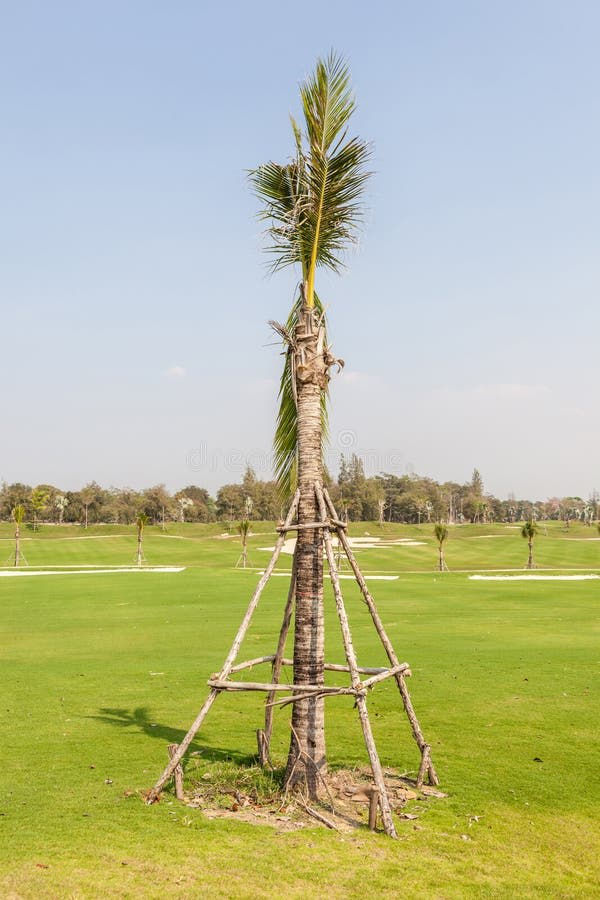
Sometimes yes, sometimes no. Not every palm needs staking, but larger palms in windy or exposed areas often benefit from temporary support while roots anchor. The key is using proper bracing that stabilizes the root ball without damaging the trunk.
Boards or braces should be padded where they contact the palm. Straps or wires directly against the trunk can scar it. Support systems should also be temporary. Once the palm is stable and established, remove them so the plant can adapt naturally.
Mulch and finishing touches
Mulch helps retain moisture and moderate soil temperature, but it should never be piled against the trunk. Keep mulch a few inches away from the base and spread it in a light, even layer over the surrounding soil. Thick mulch volcanoes are bad for palms for the same reason deep planting is bad - they keep too much moisture where the trunk should stay dry.
At this stage, the palm should look upright, level, and cleanly installed. The finish should support health first and appearance second.
Common mistakes when planting palms in South Florida
The biggest mistakes are usually preventable. Planting too deeply is at the top of the list. So is overwatering a site that already drains poorly. Another frequent issue is picking a species that outgrows the space or does not fit the light conditions.
There is also a tendency to expect instant performance from large installed palms. Bigger palms create immediate impact, but they often take longer to root in and may need more careful aftercare. Smaller sizes can establish faster and catch up over time, depending on the species and the project goals.
If you are installing multiple palms for a residential or commercial landscape, spacing matters too. Crowding them too closely may look full at first, but it can create maintenance and appearance problems later as canopies mature.
When professional installation makes sense
Planting a palm is straightforward on paper, but large root balls, grading issues, irrigation timing, and species selection can turn it into a bigger job than expected. That is especially true when access is tight, equipment is needed, or the project includes multiple plantings.
A supplier that understands palm handling, delivery timing, and installation can prevent the kind of mistakes that are hard to undo later. At Santana & Plants, we work with homeowners, landscapers, and property managers who want quality plant material and practical guidance from selection through installation.
A well-planted palm does more than fill a space. It sets the tone for the whole landscape and improves over time when the installation is done right. If you give it the right start, your palm has a much better chance of staying healthy, upright, and attractive through South Florida’s heat, rain, and wind.


Comments