
Foxtail Palm Installation in Florida: Tips for Success

A foxtail palm can make a front yard look finished in a single day, but only if it is installed with Florida conditions in mind. Foxtail palm installation Florida property owners choose for curb appeal often succeeds or fails before the palm even goes into the ground. The biggest factors are placement, drainage, handling, and early care.

Foxtail palms are popular for good reason. They have a clean trunk, a full feathered canopy, and a polished tropical look that works well in residential landscapes, entryways, pool decks, and commercial properties. They also create visual impact without the massive footprint of some larger palms. Still, they are not a plant you want to place casually and hope for the best.
Why do foxtail palms work so well in Florida landscapes
Foxtail palms fit the look many Florida property owners want - tropical, neat, and upscale without feeling overgrown. They are often used as specimen palms, matched pairs at an entrance, or grouped to create height and structure around a home or amenity area.
One reason they stay in demand is that they offer a strong architectural shape without becoming visually heavy. A royal palm creates a grand statement, but it needs more room and a very specific setting. A foxtail palm is often easier to fit into a typical residential lot while still delivering that finished, high-end appearance.
That said, Florida is not one single growing environment. A palm that looks perfect in one yard may struggle in another because of wind exposure, irrigation habits, or poor drainage. Good installation accounts for those local conditions from the start instead of treating every property the same.
What to check before foxtail palm installation in Florida
The most common mistake is choosing the palm first and the planting location second. That usually leads to spacing issues, drainage problems, or a palm that feels squeezed once it matures.

Start with sunlight. Foxtail palms generally perform best where they receive strong light. A bright, open location gives them the best chance to develop a full canopy and steady growth. If the area is heavily shaded by structures or larger trees, the palm may survive, but it may not look as balanced or vigorous.
Drainage matters just as much. Florida soil can vary from sandy and fast-draining to compacted fill that holds water longer than expected. A foxtail palm does not want to sit in a soggy planting hole. If water pools after rain or irrigation, that issue needs to be addressed before installation. In many cases, poor drainage creates more long-term problems than the palm itself.
Spacing is another point that deserves more attention than it usually gets. Foxtail palms should not be installed too close to the house, screen enclosures, rooflines, driveways, or neighboring plantings that will compete for room. On a clean landscape plan, the spacing may look generous. A few years later, it often looks exactly right.
The installation process that protects the palm
Proper installation is not just about digging a hole and standing the palm upright. Palms can be stressed by rough handling, incorrect planting depth, and unstable root placement. Once a large palm is damaged during transport or install, it may take a long time to show the full impact.

The root ball should be handled carefully from pickup through final placement. Pulling a palm by the trunk, dropping the root ball, or twisting it into place can create hidden stress. This is one reason many property owners and contractors prefer working with a nursery partner that can source, deliver, and install the palm as one coordinated job.
Planting depth is especially important. Set the palm too lo,w and you increase the risk of moisture problems around the trunk and root zone. Set it too high, and you expose roots and create stability issues. The goal is a palm that sits at the correct grade, with the root ball positioned securely and the surrounding soil backfilled firmly but not compacted to the point that roots struggle to establish.
Staking depends on palm size, wind exposure, and site conditions. Some foxtail palms may need temporary support while they establish, especially in open areas or on properties exposed to strong storms. But staking should be done correctly and removed at the right time. A palm left ina poor staking setup for too long can develop avoidable stress.
Soil, irrigation, and the first 90 days
The first three months after installation are where many outcomes are decided. A healthy foxtail palm still needs time to settle in, and that establishment period calls for consistent attention.
Watering should be regular, but not excessive. Newly installed palms need enough moisture to support root establishment, especially in warm weather. At the same time, overwatering is a common problem in Florida landscapes where irrigation systems are already running on fixed schedules. Too much water around a fresh root ball can create the same trouble as poor drainage.
This is where a site-specific approach matters. A palm installed in sandy soil in full sun may dry out faster than one planted in a heavier soil profile with partial protection from heat and wind. There is no one schedule that fits every property. The right plan depends on weather, soil, and irrigation coverage.
Fertilization also requires some judgment. Many people assume more fertilizer will speed up growth, but freshly installed palms are better served by stability than by heavy feeding. Once the palm begins to establish, a proper palm fertilizer program can support healthy color and development. Applying the wrong product or applying too much can cause more stress than benefit.
Common problems after foxtail palm installation in Florida properties see
When a foxtail palm struggles, the issue is often traced back to installation conditions rather than the species itself. Yellowing, poor canopy performance, slow adjustment, or decline can come from root disturbance, drainage issues, nutrient imbalance, or inconsistent watering.
Florida weather adds another layer. Heat, sudden heavy rain, and storm-season winds can all affect how quickly a newly planted palm settles in. A palm installed at the right depth in a well-drained site still needs monitoring after major weather shifts.
It also helps to set realistic expectations. A newly installed foxtail palm may not look perfect right away. Some transplant stress is normal. The goal is steady establishment, not instant flush growth. If the palm was selected well, placed properly, and cared for correctly, its appearance usually improves with time.
When professional installation is worth it
Smaller palms can sometimes be planted with a straightforward crew and the right equipment. Larger foxtail palms are different. They involve weight, height, transport logistics, and more room for error. A misstep during delivery or installation can turn a premium landscape feature into a replacement project.
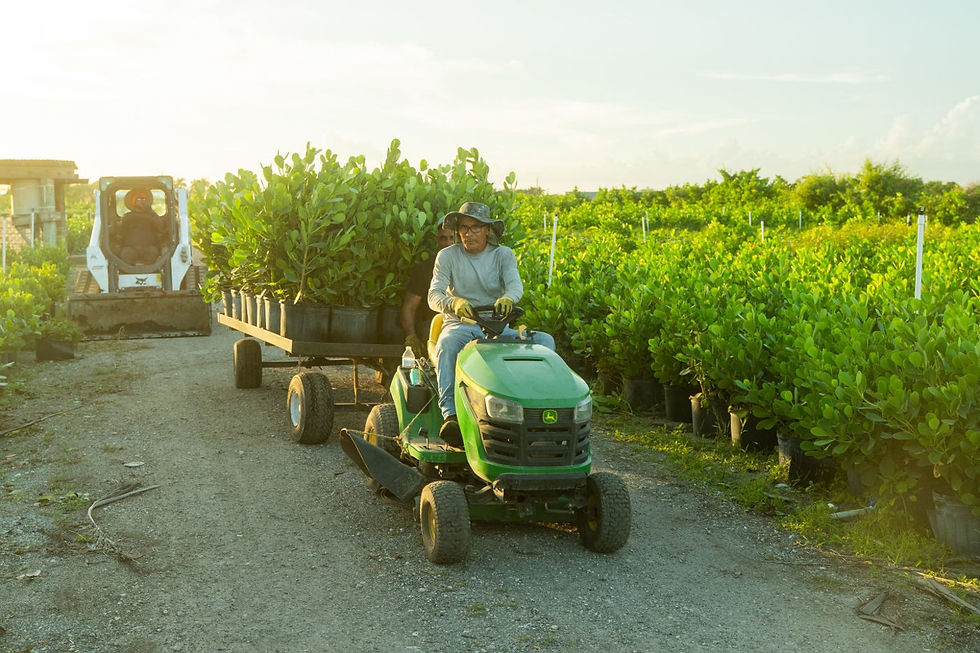
Professional installation is especially helpful when the job includes multiple palms, tight access, established hardscape, or a larger landscape plan that has to come together quickly. It simplifies coordination and reduces the chances of improper handling between supplier, hauler, and installer.
For homeowners, that often means less guesswork. For landscapers and contractors, it means dependable inventory and execution. A nursery partner that knows the material, the timing, and the installation process can make the project move much more smoothly.
Choosing the right foxtail palm for the space
Not every foxtail palm on a lot is the right fit for every property. Height, trunk character, canopy fullness, and overall condition should all be part of the selection process. A palm can look healthy in inventory but still be the wrong scale for the job.
For entryways, symmetry usually matters more than raw height. Around pools or patios, canopy spread and debris patterns may matter more. On larger estates or commercial sites, visual proportion with the building and surrounding plant material becomes a bigger factor.
This is where experienced guidance helps. A good palm choice should fit the project on day one and still make sense years later. Santana & Plants works with both homeowners and trade buyers who want that kind of practical support, especially when the goal is to source quality plant material and get it installed correctly without bouncing between multiple vendors.
A foxtail palm should make a property feel more finished, not create a maintenance question mark. If the location is right and the installation is handled with care, it becomes one of the cleanest and most reliable ways to add tropical structure to a Florida landscape.


Comments