
What Makes a Commercial Landscape Look Professional?


First impressions matter immensely in the business world, and the exterior of your commercial property often serves as the initial touchpoint for clients, tenants, and visitors. A professional commercial landscape does far more than simply look neat; it communicates stability, attention to detail, and a steadfast commitment to quality. Whether you manage a sprawling corporate office park, a bustling retail center, a sprawling multifamily residential complex, or a high-end hospitality venue in South Florida, the visual and practical qualities of your landscaping play a crucial role in shaping the property's image. The way a property presents itself to the world can influence a potential client's perception before they even step through the front doors.
Achieving that professional, intentional look requires more than just regular mowing and edging. It relies on foundational landscape design principles that organize the space, guide movement, and create a cohesive environment. By understanding and applying these principles, property managers and business owners can transform ordinary outdoor spaces into valuable assets that enhance curb appeal and support their broader business objectives. A well-designed landscape is not merely an aesthetic enhancement; it is a strategic investment in the property's overall value and the brand's reputation.
The Foundation of Structure
Structure is the absolute backbone of any professional landscape design. It provides the essential framework that organizes the space and gives it a clear sense of purpose. In commercial settings, structure is often established through a thoughtful combination of hardscaping elements—such as wide walkways, sturdy retaining walls, and expansive patios—and foundational plantings like large canopy trees and dense, structural shrubs. Without a strong structural foundation, a landscape can quickly appear chaotic and disorganized, regardless of how well it is maintained.
According to the University of Florida Institute of Food and Agricultural Sciences (UF/IFAS), line is a fundamental element that creates structure in the landscape. Lines control the movement of the eye and the body, establishing patterns and defining spaces. Straight lines convey formality and lead the eye directly to focal points, which is often highly desirable in corporate or retail environments where clarity and direction are paramount. Curved lines, on the other hand, create a more relaxed, natural character suitable for hospitality or residential settings where a sense of tranquility is the goal. A professional landscape uses these structural elements intentionally to guide visitors toward entrances, create distinct functional areas, and establish a logical flow throughout the property.
Achieving Appropriate Scale
Scale refers to the size of landscape elements in relation to their surroundings, including the buildings, the overall property size, and the people using the space. A professional commercial landscape maintains a harmonious scale that feels balanced and proportional. When scale is ignored, elements can look awkward and out of place, detracting from the property's overall aesthetic appeal.
For instance, a massive, multi-story office building requires large, mature trees and expansive planting beds to anchor it to the site. Small, delicate plantings would be completely lost against such a monumental backdrop. Conversely, an intimate courtyard in a multifamily complex benefits from smaller-scale plants and features that feel approachable and comfortable for residents. UF/IFAS notes that human scale is an important consideration; objects should relate comfortably to the human body. When scale is handled correctly, the landscape feels seamlessly integrated with the architecture rather than tacked on as an afterthought.
The Power of Repetition
Repetition is a remarkably powerful tool for creating unity and a cohesive visual identity across a commercial property. By repeating specific elements—such as plant varieties, colors, forms, or hardscape materials—a landscape designer creates familiar patterns that are pleasing to the eye. This consistency is a hallmark of professional design, signaling that the landscape was carefully planned rather than haphazardly assembled.
In a professional setting, repetition helps tie different areas of a large property together. For example, using the same type of shade tree along a main driveway and repeating a specific flowering shrub at key intersections creates a unified look that guides visitors through the site. The goal is to create predictable patterns without becoming monotonous. As noted by landscape design professionals note, repetition refers to the repeated use of features with the same shape, line, form, texture, or color throughout a composition to establish order. This deliberate use of repetition creates a sense of rhythm and flow that is essential for a polished, professional appearance.

Prioritizing Healthy, Florida-Friendly Material
A landscape cannot possibly look professional if the plants are struggling to survive. In South Florida's unique climate—characterized by intense heat, high humidity, sandy soils, and seasonal heavy rains—selecting the right plant material is absolutely critical for long-term success. Plants that are ill-suited to the environment will constantly require extra care and will likely never achieve their full aesthetic potential.
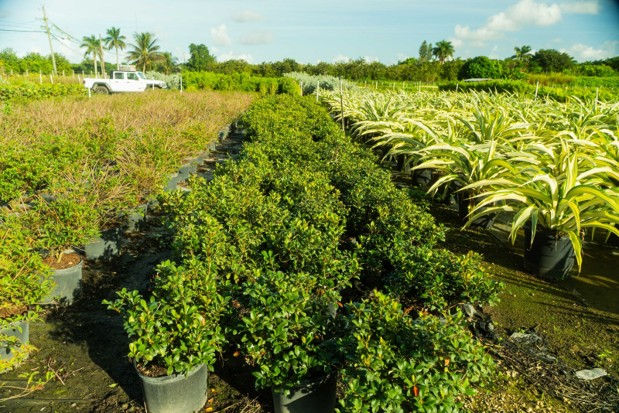
Professional landscapes prioritize healthy, resilient plants that are well-suited to the local environment. The UF/IFAS Florida-Friendly Landscaping™ Program emphasizes the principle of "Right Plant, Right Place," which involves selecting plants that match the site's specific soil, light, and water conditions. Using native or adapted species, such as Live Oaks, Sabal Palms, or Muhly Grass, ensures that the landscape remains vibrant and reduces the need for excessive water, fertilizer, and maintenance. Healthy, thriving plants are the most visible indicator of a well-managed property, and their vitality contributes significantly to the overall professional image.
Clean Transitions and Visible Entrances
Professional landscapes feature clean, deliberate transitions between different areas and materials. The edges where turf meets planting beds, or where walkways intersect with green spaces, should be crisp and well-defined. These clean lines contribute to an overall sense of order and maintenance, signaling that the property is cared for with meticulous attention to detail.
Furthermore, a professional design ensures that entrances are highly visible and welcoming. Landscaping should frame and highlight main entry points, using color, texture, and structural plants to draw attention and guide visitors safely to the door. Obscured signage or hidden walkways frustrate visitors and detract from the property's professional image. A well-designed entrance sets a positive tone for the entire visitor experience.
Consistency and Long-Term Fit
Finally, a truly professional commercial landscape is designed with the long term in mind. It requires a consistent maintenance strategy that goes beyond seasonal cleanups. In Florida, where the growing season is year-round, consistent care is necessary to manage growth, address pests, and maintain the design's original intent. A landscape that looks great on day one but deteriorates over time is not a professional landscape.
A professional look also means that the landscape fits the property's long-term needs. Trees should be planted with enough space to reach their mature size without interfering with buildings or power lines. The overall design should remain functional and attractive as it matures, reflecting a commitment to quality that aligns with your business values. Planning for the future ensures that the landscape remains an asset rather than becoming a liability.
If you are ready to elevate your commercial property's exterior, the right landscaping partner can make all the difference. Discuss your property type, desired image, and the level of impact you want to achieve with the experts at Santana & Plants to create a landscape that truly works for your business.


Comments