
Where to Invest More—and Where to Simplify—in a Commercial Landscape
For developers, property managers, and design-build teams in South Florida, allocating a commercial landscaping budget effectively is a critical step in maximizing a property’s overall value. A well-planned landscape not only enhances curb appeal but also serves essential functions like climate control, visual screening, and guiding pedestrian flow. However, a common mistake during the planning phase is spreading the budget too thin across the entire site, resulting in a lackluster appearance everywhere rather than a striking presentation where it matters most.
The most successful commercial landscapes concentrate investment in high-impact areas—such as entrances, focal points, and amenity spaces—while simplifying secondary zones to control initial costs and long-term maintenance. This strategic approach to budget allocation ensures that every dollar spent contributes directly to the property's aesthetic and functional goals. Furthermore, it helps projects adhere to local regulations, such as the Miami-Dade County landscape code, which requires at least 30 percent native plants and 50 percent low-maintenance, drought-tolerant species. By understanding the nuances of the local climate and the specific needs of commercial properties, stakeholders can make informed decisions that balance immediate visual impact with sustainable, cost-effective maintenance over the lifespan of the landscape.
Prioritize High-Visibility Entrances and Signage
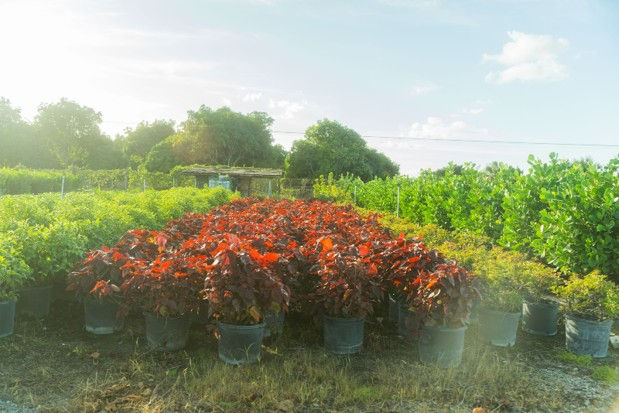
The entrance to a commercial property is its handshake with the public. It serves as the first impression for tenants, customers, and investors, making it the most critical area for landscape investment. Budgeting for larger, more mature specimen plants at entrances provides immediate impact and establishes a sense of permanence. When a property looks established from day one, it instills confidence in the businesses operating within.
Instead of waiting years for small shrubs to fill in, investing in larger container sizes for entryways ensures the property immediately commands attention immediately. This is also the ideal location to introduce vibrant colors and unique textures. Framing signage with bold, structural plants or colorful seasonal displays can significantly enhance brand identity. By concentrating premium materials here, property managers create a welcoming environment that sets a positive tone for the entire site. The upfront cost of mature plantings is quickly offset by the immediate aesthetic benefits and the strong, professional image they project.
Elevate Amenity Spaces and Focal Points
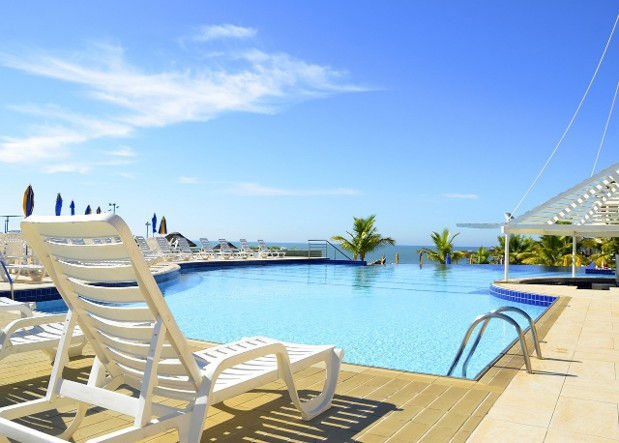
Amenity spaces—such as courtyards, outdoor seating areas, and pool decks—are where people interact most intimately with the landscape. These areas require a higher level of detail and investment to create comfortable environments. In South Florida, where outdoor living is expected year-round, these spaces are key selling points for commercial properties.
Invest in high-quality hardscaping, comfortable seating, and lush plantings to create a sense of enclosure. Shade is a critical component in these zones; planting mature shade trees can dramatically improve usability by lowering ambient temperatures and providing relief from the intense sun. Additionally, consider incorporating focal points like water features or specimen palms to add visual interest. The goal is to create spaces where people want to linger, which increases the perceived value of the property and encourages tenant retention. Thoughtful investment in these areas transforms basic outdoor spaces into valuable extensions of the indoor environment.
Simplify Secondary Zones and Perimeters

While entrances and amenity spaces demand premium investment, secondary zones—such as parking lot perimeters, service areas, and rear elevations—offer significant opportunities to simplify and save. These areas are typically viewed from a distance or passed through quickly, meaning fine details and expensive specimen plants will largely go unnoticed by the average visitor or tenant.
In these zones, the focus should be heavily on functionality, screening, and regulatory compliance rather than high-end aesthetics. Utilizing mass plantings of durable, low-maintenance species is an effective way to cover large areas economically. Repetition of a few reliable plant varieties not only reduces installation costs but also dramatically simplifies ongoing maintenance. For example, using a hardy, drought-tolerant shrub as a continuous screen along a property line achieves the necessary visual control without the need for constant pruning, specialized fertilization, or high water usage. By scaling back the complexity in these peripheral areas, developers can reallocate funds to the high-impact zones where they will generate the most value.
Leverage Repetition for Cohesion and Cost Efficiency
Repetition is a fundamental principle of landscape design that serves both aesthetic and budgetary purposes. By repeating specific colors, forms, or textures, designers create a cohesive appearance that feels intentional and highly professional. This approach prevents the landscape from looking cluttered, which happens when too many plant species are mixed together without a clear unifying theme.
From a budget perspective, repetition is highly efficient. Ordering fewer plant varieties in larger quantities often allows for bulk purchasing discounts. It also streamlines the installation process, as crews can work more quickly when dealing with a limited palette. Furthermore, a simplified plant list makes long-term maintenance more predictable and less labor-intensive. Maintenance teams only need to manage the specific needs of a few species rather than juggling the complex requirements of a vast plant collection. This streamlined approach keeps ongoing operational costs manageable.
Optimize Irrigation and Water Management Systems
In South Florida, effective water management is a critical component of both initial investment and long-term savings. While it may be tempting to cut costs on irrigation systems during the construction phase, investing in high-quality, smart irrigation technology is one of the most financially prudent decisions a property manager can make. Efficient watering systems ensure that plants receive exactly what they need, minimizing waste and protecting the landscape investment from drought or overwatering.
Smart controllers that adjust watering schedules based on real-time weather data and soil moisture sensors can drastically reduce water consumption. When planning the budget, allocating funds to establish distinct hydrozones—grouping plants with similar water needs on the same irrigation valve—allows for precise water application. This means high-impact areas with thirstier plants can receive adequate hydration without overwatering the drought-tolerant species in the simplified secondary zones. While the upfront cost of advanced irrigation infrastructure may be higher, the long-term savings on utility bills and plant replacement costs make it an essential area for investment.
Select Native and Climate-Adapted Species for Savings
Choosing the right plant material is paramount to controlling costs in a commercial landscape. Investing time and resources into selecting native and climate-adapted species pays dividends over the life of the property. South Florida's unique climate, characterized by intense heat, heavy seasonal rains, and occasional salt spray, can be unforgiving to delicate, non-native ornamentals.
Native plants have evolved to thrive in these specific conditions, meaning they require significantly less supplemental water, fertilizer, and pest control once established. By prioritizing native species, especially in the simplified secondary zones, property managers can drastically reduce ongoing maintenance expenses. The Miami-Dade County landscape code's requirement for native and drought-tolerant species is not just a regulatory hurdle; it is a blueprint for sustainable, cost-effective landscaping. While exotic specimen plants can be reserved for high-visibility entrances to create a specific aesthetic, relying on native species for the bulk of the planting plan ensures a resilient, beautiful landscape that respects both the environment and the budget.
Plan for Phased Investment and Long-Term Maintenance
A commercial landscape is a dynamic, living system that changes and grows over time. When budgeting, it is essential to consider not just the initial installation costs, but also the long-term maintenance requirements. A landscape that looks beautiful on day one but requires excessive water, fertilizer, and meticulous pruning will quickly become a financial burden that drains operational budgets.
Adhering to the "right plant, right place" principle is the most effective way to minimize long-term maintenance costs. By selecting plants that are naturally adapted to the site's specific soil, light, and moisture conditions, designers reduce the need for artificial inputs and constant interventions. For properties with tight initial budgets, a phased investment approach can be highly effective. This involves installing the critical infrastructure, trees, and high-impact entrance areas first, and then gradually adding layers of detail, understory plantings, and complexity over subsequent seasons or years as funding allows.
At Santana & Plants, we understand the unique challenges and opportunities of commercial landscaping in South Florida. We can discuss tailored solutions to help you maximize your landscape budget, ensuring your property looks its best while remaining manageable to maintain. Contact the team to confirm plant options at different investment levels that align with your property's long-term goals and budget.


Comments